

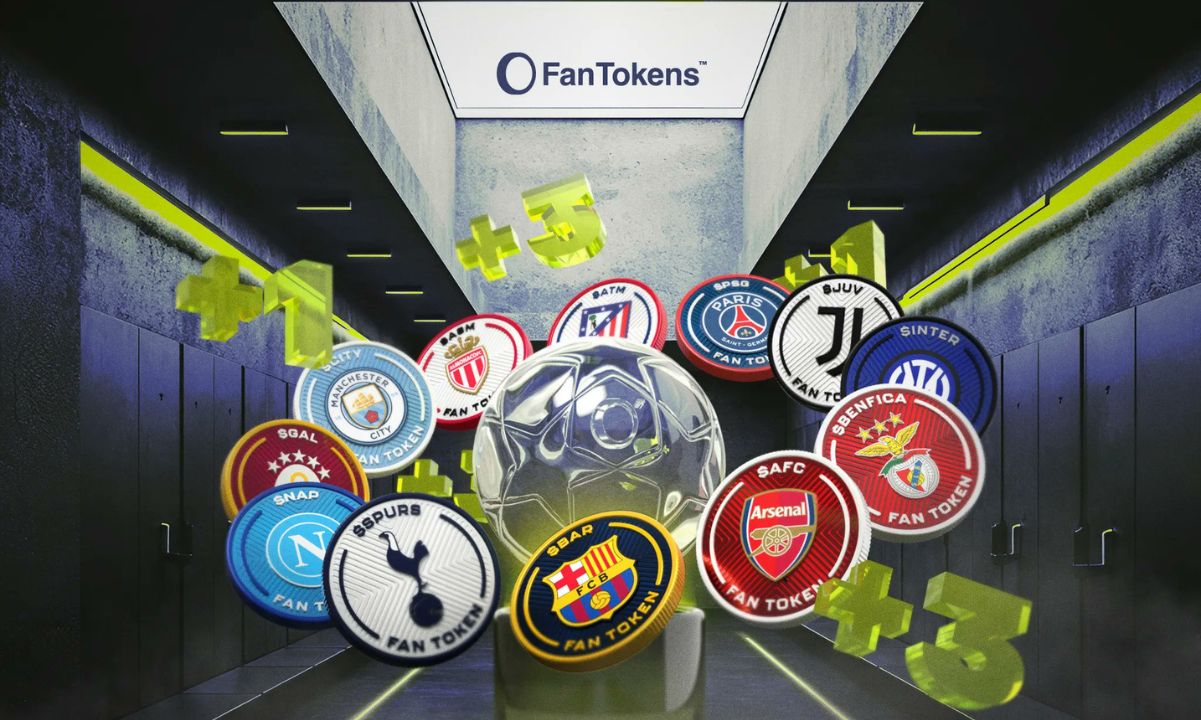

Sports and fans have always had a dialectical relationship. In some cultures and organisations, the club or sport calls all the shots and the fans adapt. In others, there is fan ownership of the team and shared governance.
Sports web3 has made it easier for this tense relationship to be more of a two-way street. Fans are more engaged than before, and the newfound digital fan experience all comes down to technology. It started off as Twitter and YouTube, but not blockchain is truly offering infrastructural opportunities, like fan tokens.
For clubs, the fan data captured on the blockchain is a useful marker of sentiment, predictive behaviour, and a way to more accurately reward loyalty. For fans, it’s about having evidence of their support – a new currency.

The information gap
The use of fan tokens in major sports leagues has created a need for dedicated educational resources. Platforms like Socios have helped explain token-based fan participation models to global audiences, because it is extremely novel and strange at first, and it’s helping supporters to engage with their favorite teams in new ways.
For this ecosystem to mature though, users really do need convincing. They need context and to trust the motivations, and this is where information hubs come in. For example, FanTokens provides help to people track market movements, understand concepts, and look at governance utility so they can understand what’s going on behind these digital assets.
By offering fan tokens data insights, these platforms put minds at rest over market volatility. They’re analytical reference points for those getting to grips with web3 sports platforms, and even stabilize the market so that it’s grounded in fan token data rather than just speculation. It’s the difference between just guessing a player’s popularity given its actual jersey sales and knowing how many fans across three continents voted on a specific kit design.
Transparency and ownership
At the heart of this infrastructure is digital ownership. Traditional engagement metrics have never been transparent like the public blockchain ledgers, nor immutable, regarding fan participation. Things like on-chain voting or performance-related token burns – it’s helping build trust because of the transparency.
Tokenized sports ecosystems encourage better support for their club because it reflects how their involvement impacts the broader network too. Sports blockchain adoption is still in its infancy despite being taken on by major soccer clubs. Both fans and stakeholders alike are enjoying the visibility of metrics and reward distributions – it’s not just about pushing a like button anymore, but actual stake-weighted governance. We aren’t too far away from a fan-managed team with on-field tactical inputs or player selection, at least as an experiment.
Such decentralized sports communities can’t use complex technology without everyday usability and understanding. It’s still maturing, and while it continues to do so, the demand for structured education and analytics will only mount up. Prioritizing transparent information is a must for all parties so that data-driven fandom can continue to reflect and reward the masses. There simply are no sports without fans.
Disclaimer: The above article is sponsored content; it’s written by a third party. CryptoPotato doesn’t endorse or assume responsibility for the content, advertising, products, quality, accuracy, or other materials on this page. Nothing in it should be construed as financial advice. Readers are strongly advised to verify the information independently and carefully before engaging with any company or project mentioned and to do their own research. Investing in cryptocurrencies carries a risk of capital loss, and readers are also advised to consult a professional before making any decisions that may or may not be based on the above-sponsored content.
Readers are also advised to read CryptoPotato’s full disclaimer.