

Key Takeaways
- Hurupay is exiting Kenya due to strict anti-money laundering compliance rules.
- Digital platforms handling USDC face massive financial strains due to new regulations.
- Financial watchdogs will soon announce asset migration plans for Hurupay users in Kenya.
Regulatory Pressures and the FATF Grey List
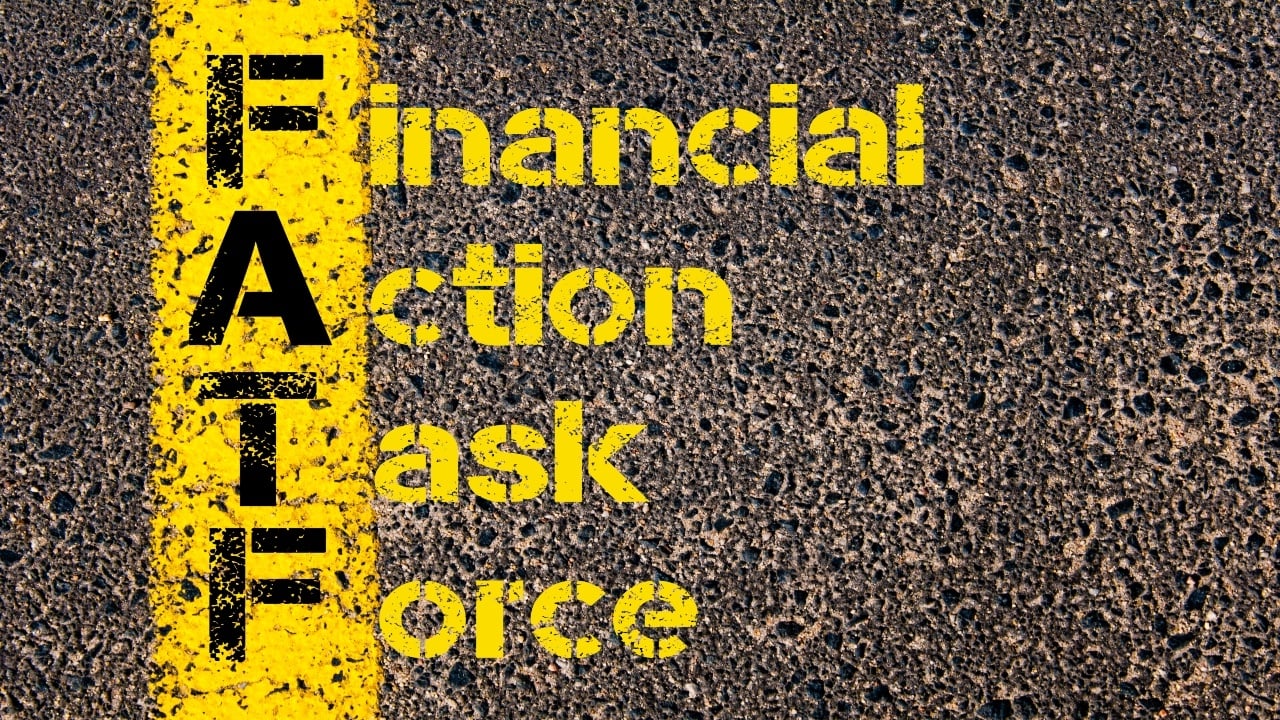
Financial technology startup Hurupay is exiting the Kenyan market as local regulators intensify anti-money laundering checks and compliance audits on digital asset platforms. The exit comes as Kenya accelerates regulatory interventions to secure its removal from the “grey list” maintained by the Financial Action Task Force (FATF), an international financial crime watchdog.
The FATF placed Kenya on its increased monitoring list in 2024 due to structural deficiencies in the country’s systems for combating money laundering and terrorist financing. Since the listing, Kenya has implemented several corrective measures, including the adoption of a legal framework to license and supervise virtual asset service providers.
Hurupay, founded by Philip Mburu, Maxwel Ochieng, Allan Okoth and James Mugambi, is a startup launched to help African freelancers, remote workers and small businesses shield their earnings from severe local currency devaluation. By integrating with blockchain networks such as Stellar and Celo, Hurupay allowed users to receive international payments from global payroll systems and digital marketplaces, settling transactions using U.S. dollar-pegged stablecoins like USDC.
However, Kenyan financial authorities have significantly heightened oversight on fintech companies and platforms utilizing blockchain technology to plug regulatory loopholes. The compliance mandates include stricter know-your-customer rules, detailed transaction tracking and rigorous anti-money laundering audits.
The National Treasury of Kenya previously stated that the government is expediting structural reforms across its financial systems to restore long-term investor confidence, stabilize local credit markets and ensure full alignment with FATF guidelines.
Fintech industry analysts note that the heightened regulatory burden has placed a heavy strain on early-stage platforms attempting to balance rapid user growth with the costly infrastructure required for international compliance. According to a local report, representatives for Hurupay were not immediately available for comment on the timeline of the wind-down or asset migration plans for its Kenyan users.